
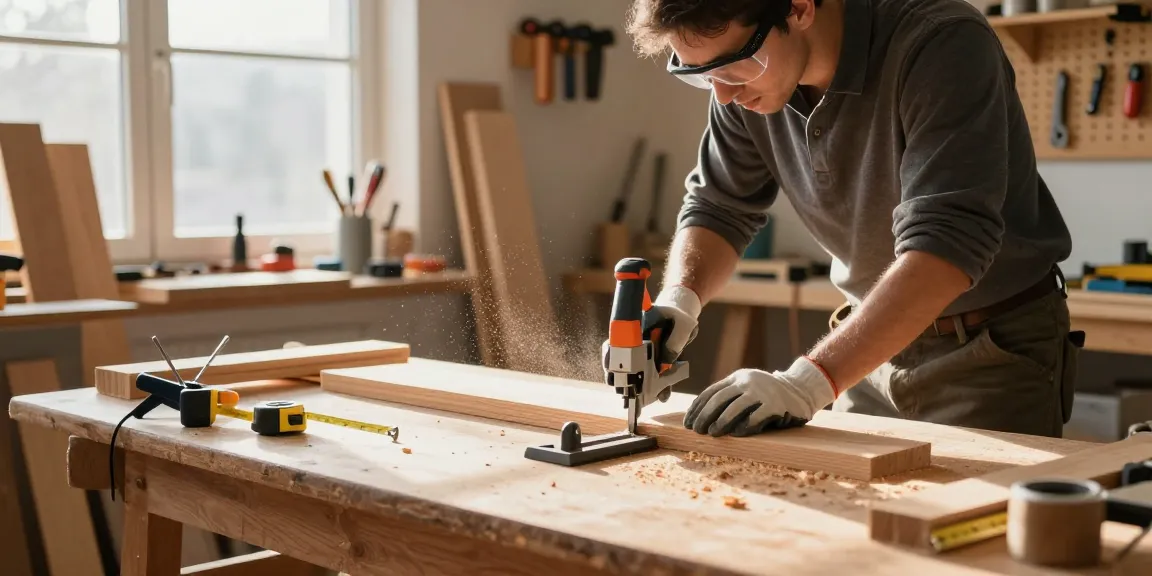
Understanding the Basics of Mitre Saws
In the world of woodworking, precision is paramount, and mitre saws stand out as essential tools that facilitate accurate cuts. Whether you’re a seasoned craftsman or a passionate DIY enthusiast, understanding the functionalities and applications of a mitre saw hand can significantly enhance your woodworking projects. This guide delves into the basics of mitre saws, ensuring you have the knowledge and skills to utilize them effectively.
What is a Mitre Saw Hand?
A mitre saw hand is a versatile, manual tool designed for making precise crosscuts and mitre cuts on wood and other materials. Unlike power saws, a hand-held mitre saw offers greater control, allowing users to execute intricate cuts that larger, powered tools may not achieve. These saws are particularly useful for framing, moulding, and cabinetry work, providing the finesse necessary for fine woodworking tasks.
Components and Functionality of Mitre Saws
Understanding the components of a mitre saw hand is essential for mastering its use. Key parts include:
- Blade: The cutting edge is available in various widths and tooth configurations, affecting the type of cuts you can achieve.
- Mitre Scale: This adjustable angle guide allows users to set their desired cutting angle, crucial for making angled cuts for corners and joints.
- Base Plate: Provides stability during cutting and is often adjustable to accommodate different material thicknesses.
- Handles: Ergonomically designed for comfortable grip and control during operation.
These components work together to deliver accurate, clean cuts, making mitre saws indispensable in woodworking.
Choosing the Right Mitre Saw for Your Projects
Selecting the appropriate mitre saw hand for your projects involves considering several factors:
- Material Type: Different materials, such as hardwoods versus softwoods, require different types of blades.
- Cutting Capacity: Evaluate the max width and thickness of the material you intend to cut to choose a suitable saw.
- Portability: If you’re frequently moving your workstation, lightweight, compact models may be advantageous.
- Budget: Higher quality tools often provide better accuracy and durability, so balance your needs with your budget.
Common Mistakes When Using a Mitre Saw Hand
Even experienced woodworkers can make errors when using a mitre saw hand, which can lead to wasted materials and time. Here, we explore some common pitfalls that should be avoided.
Improper Setup and Alignment Issues
One significant mistake is failing to set up the saw correctly. Always ensure the blade is aligned properly with the cutting mark. Misalignment can result in inaccurate cuts, compromising the integrity of the project.
Neglecting Safety Precautions
Safety should be a top priority when using any saw. Common oversights include not wearing safety goggles and failing to secure the workpiece. These precautions can prevent serious injuries.
Inaccurate Measurements and Cuts
It’s crucial to double-check all measurements before making any cuts. Inaccurate measurements can lead to pieces that do not fit together correctly, requiring rework and additional time.
Best Practices for Using a Mitre Saw Hand
Implementing best practices can significantly enhance your mitre saw experience, including safety measures and techniques for precision.
Essential Safety Gear and Protocols
Before you start working with a mitre saw hand, ensure you have the following safety gear:
- Safety goggles to protect your eyes from flying debris.
- Hearing protection to mitigate noise from cutting.
- Dust masks to avoid inhaling sawdust.
Techniques for Accurate Cutting
For the best results, employ these techniques:
- Use a Clamping Device: Secure the workpiece firmly to prevent movement during cutting.
- Practice Smooth, Steady Cuts: Avoid forcing the saw; let the blade do the work to ensure clean cuts.
- Mark Cut Lines Clearly: Use a fine pencil or marker to delineate cutting paths that are visible yet precise.
Maintenance Tips for Longevity
Regular maintenance extends the life of your mitre saw hand. Here are some tips:
- Keep the blade clean and free of resin build-up.
- Inspect parts for wear and tear, replacing any damaged components promptly.
- Store the saw in a dry, safe location to prevent rust and degradation.
Real-World Applications of Mitre Saw Hand Techniques
Mitre saw hands are not just tools; they empower users to undertake a myriad of projects with precision and flair. Here, we look at practical applications.
Projects Perfect for Mitre Saws
Several woodworking tasks can benefit from the use of a mitre saw hand:
- Framing: Perfect for cutting beams and studs at precise angles.
- Crown Moulding: Ideal for creating seamless corners.
- Furniture Making: Allows intricate cuts for legs, tabletops, and shelves.
Case Study: Successful Renovation Using Mitre Saw Techniques
Consider the case of a homeowner who renovated their living room with custom cabinetry. By utilizing a mitre saw hand, they were able to create perfectly angled cuts for their shelving and trim work, resulting in a professional-quality finish that enhanced the room’s aesthetic.
Expert Insights from Professional Woodworkers
Professional woodworkers often emphasize the importance of practice in mastering mitre saw techniques. They recommend starting with scrap wood to hone your skills before tackling more significant projects. Workshops and online tutorials can provide valuable tips and tricks to improve efficiency and accuracy.
Future Trends in Woodworking and Mitre Saw Usage
As woodworking continues to evolve, several trends are emerging that could impact how mitre saw hand tools are utilized.
Innovative Tools and Technology Enhancements
New advancements in tool technology are being incorporated into traditional woodworking techniques. These include digital angle finders that help calibrate mitre saw settings more accurately and laser guides that ensure precision cutting.
Sustainability Practices in Woodworking
More woodworkers are adopting sustainable practices, such as sourcing reclaimed wood and using eco-friendly finishes. This shift not only reduces waste but also contributes positively to environmental conservation.
Emerging Trends in DIY Projects for 2026 and Beyond
In the coming years, trends indicate a rise in personalized DIY projects, including custom furniture and home decor. This shift emphasizes the importance of precision tools, including the mitre saw hand, to achieve the desired professional results.
What are the key features of a good mitre saw hand?
A quality mitre saw hand should feature a durable blade with different tooth configurations, a precise mitre scale for angle adjustment, and an ergonomic handle for user comfort. Additionally, a stable base plate helps ensure precision during cutting.
How can I improve my cutting accuracy with a mitre saw?
Improving cutting accuracy involves ensuring the saw is properly calibrated, using high-quality blades, and consistently measuring your materials before cutting. Practice and attention to detail are also key to enhancing your skills.
What safety measures should I follow when using a mitre saw hand?
Always wear appropriate safety gear, secure your materials firmly, and avoid loose clothing or accessories that could get caught in the saw. Make sure to stand firmly and keep your hands away from the blade while cutting.
Can a mitre saw hand be used for all types of wood?
While a mitre saw hand can cut various types of wood, using the correct blade for the specific material is crucial. For instance, fine teeth are ideal for hardwoods, while coarser teeth work better with softwoods.
What maintenance does a mitre saw require?
Regular maintenance includes cleaning the blade, checking the alignment of the saw, and inspecting the components for wear. For more information, Mister Worker offers valuable insights. Proper storage also plays a vital role in maintaining the tool’s longevity and performance.

