
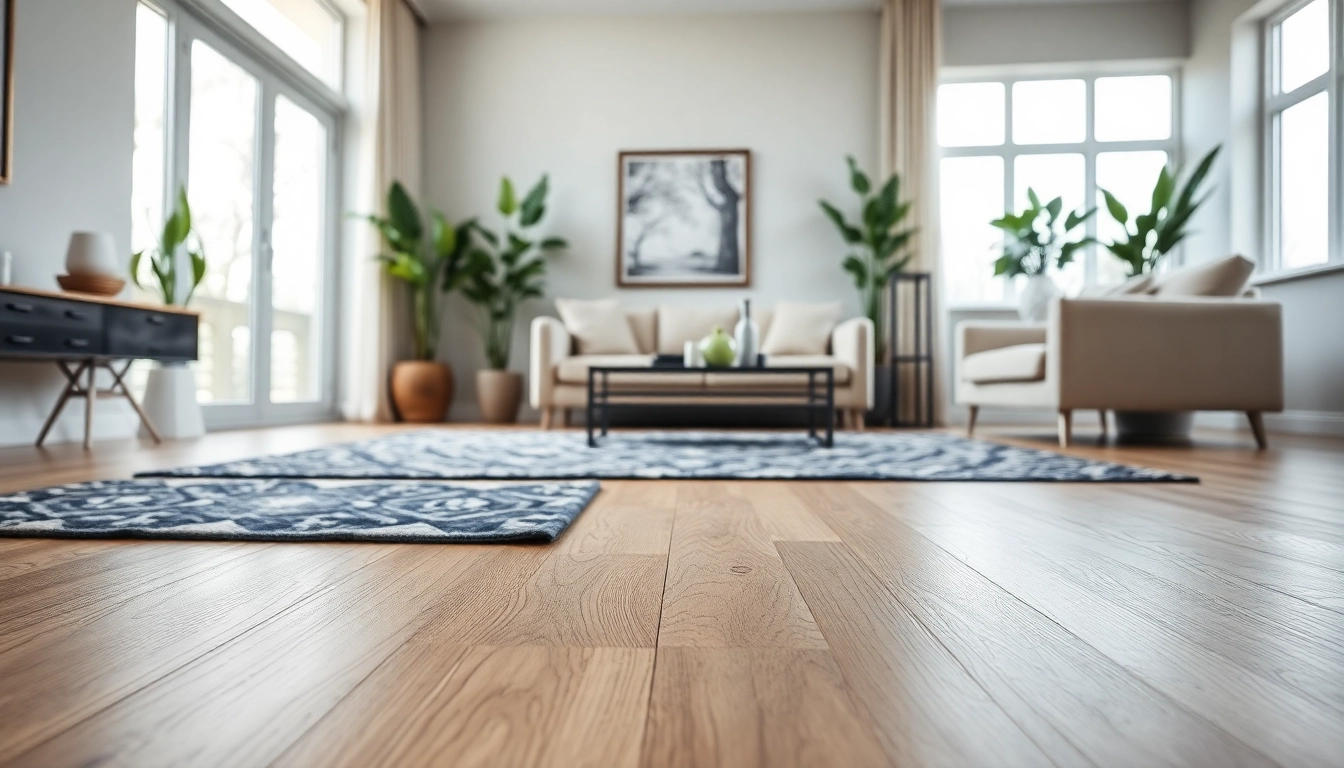
Introduction to LVP Floors
What are LVP Floors?
Luxury Vinyl Plank (LVP) floors are a type of resilient flooring designed to mimic the appearance of natural wood, tile, or stone, while offering enhanced durability and ease of maintenance. Made up of multiple layers, LVP floors are constructed from polyvinyl chloride (PVC) and feature a photographic layer that replicates the look of various materials. This innovative flooring solution caters to both aesthetic and functional demands, making it a popular choice among homeowners and professionals alike. Whether you are renovating a single room or an entire building, lvp floors can elevate the overall look of your space without the hassle and expense associated with traditional flooring options.
Benefits of Using LVP Floors
LVP floors offer a multitude of benefits that make them an attractive flooring option. Firstly, they are highly durable; resistant to scratches, dents, and moisture, making them ideal for high-traffic areas and spaces prone to spills. Furthermore, they are softer and warmer underfoot compared to hardwood or tile, providing comfort in both residential and commercial settings.
Another significant advantage is their ease of installation. LVP floors can be installed as floating floors, allowing for faster installation without the need for glue or nails. They are also low-maintenance; regular sweeping and occasional mopping are usually sufficient to keep them looking new. Additionally, LVP flooring comes in various styles, colors, and textures, offering endless design possibilities to suit any decor.
Common Uses for LVP Floors
With their remarkable versatility, LVP floors are suitable for various settings. They are commonly used in residential areas such as living rooms, kitchens, and bathrooms due to their water-resistance and durability. In commercial spaces like offices, retail stores, and hospitality environments, LVP floors can withstand heavy foot traffic while maintaining aesthetic appeal. Additionally, they are an excellent choice for rental properties, as they are easy to install and replace without significant refurbishment costs.
Choosing the Right LVP Floors
Factors to Consider When Selecting LVP Floors
When choosing the right LVP floors for your space, several factors should be considered. First, assess the room's function; high-traffic zones require higher durability grades. Secondly, consider the style and design that aligns with your decor preferences. The thickness of the planks and the wear layer also play crucial roles in durability and performance, with thicker options often being more robust.
Other elements include the installation method, whether you prefer a floating or glue-down application, and acoustical considerations if sound insulation is necessary. Additionally, budgeting is vital; while LVP floors can range widely in price, investing in higher quality typically results in better performance and longevity.
Comparing LVP Floors to Other Flooring Options
In comparison to traditional hardwood, LVP floors offer superior moisture resistance and lower maintenance requirements. Unlike tile, which can be cold and hard underfoot, LVP provides warmth and softness, making it more comfortable for standing. Moreover, LVP can be installed over existing flooring, minimizing further labor and waste, unlike demolition required for some other flooring types. This versatility makes LVP an appealing choice for many homeowners.
Color and Texture Variations in LVP Floors
One of the standout features of LVP floors is the wide variety of color and texture options available. Manufacturers often produce planks that replicate the natural imperfections of hardwood or the intricate patterns of stone and tile. Homeowners can choose from various finishes, including matte, glossy, distressed, or embossed textures, giving them the ability to create unique and personalized spaces. Whether opting for a rustic charm, sleek modern style, or classic elegance, there's an LVP option to suit every taste.
Installing LVP Floors
Preparation Steps for Installation
Proper preparation is vital for ensuring a successful LVP floor installation. Begin by measuring the area accurately to determine how much flooring you will need. Next, ensure that the subfloor is clean, dry, and level to facilitate proper adherence and avoid complications. Removing any existing flooring may be required, especially if it is uneven or not compatible with LVP installation. It’s also advisable to let the new LVP planks acclimate to the room’s temperature and humidity for at least 48 hours before installation to prevent expansion or contraction after installation.
Installation Methods for LVP Floors
There are several installation methods to choose from when laying LVP floors, including floating, glue-down, and click-lock systems. The floating method involves laying the planks without adhesive, allowing for natural expansion and contraction, while glue-down installation provides a more permanent solution. Click-lock systems, which are designed for ease of use, allow planks to snap together, making them especially popular for DIY projects. Choosing the right method primarily hinges on your specific requirements, desired permanence, and level of installation expertise.
DIY vs. Professional Installation of LVP Floors
Deciding between DIY installation and hiring a professional often hinges on your comfort level and prior experience with flooring. DIY installation can save money and provide a satisfying challenge, especially with options like click-lock LVP. However, for large spaces or intricate designs, hiring a professional may ensure optimal results and durability. Weigh the cost versus the potential for missteps and consider your timelines; professional help can expedite the process significantly.
Caring for LVP Floors
Cleaning Tips for LVP Floors
Sustaining the beauty of your LVP floors largely depends on proper care and cleaning practices. Start with regular sweeping or vacuuming to remove dirt and debris that can scratch the surface. For deeper cleaning, use a damp mop along with a cleaner specifically formulated for vinyl floors. Avoid abrasive cleaners or tools that could damage the finish, and steer clear of excessive water, as it can seep into seams and cause harm.
Maintaining the Longevity of LVP Floors
To maintain the longevity of your LVP floors, it’s advisable to use protective rugs or mats in high-traffic areas and under heavy furniture to prevent wear and scratching. Also, consider using felt pads on furniture legs to minimize damage. Promptly cleaning spills and stains can help prevent long-term issues, while regular inspections for any signs of wear can facilitate timely repairs, if needed.
Common Issues and Solutions for LVP Floors
Some common issues that can arise with LVP floors include scratching, fading from sunlight, and seam separation. Scratches can often be minimized through careful maintenance and protective measures. For fading, consider using window treatments to filter UV rays. If seams start to separate, a specialized adhesive can often seal the area effectively. Staying proactive with care routines can mitigate many of these issues, preserving your flooring's appearance and integrity.
FAQs About LVP Floors
1. How durable are LVP floors?
LVP floors are highly durable, resistant to scratches, stains, and moisture, making them suitable for high-traffic areas.
2. Can LVP floors be installed over existing flooring?
Yes, you can install LVP floors over many existing floor types, provided they are even and in good condition.
3. Are LVP floors suitable for bathrooms?
Absolutely! LVP floors are water-resistant, making them an excellent choice for bathrooms and kitchens.
4. How do I clean LVP floors?
Use a damp mop with a mild cleaner specifically designed for vinyl to keep your LVP floors looking their best.
5. What is the average lifespan of LVP floors?
LVP floors typically last 10 to 25 years, depending on the quality of the flooring and the level of maintenance.